

You pull up to a red light, glance down, and notice it. Your driver’s floor mat has a shiny bald spot right under your heel. Or maybe the edges are curling up like an old paperback. And suddenly you’re wondering: “Wait… how long have I had these things? Two years? Five? Should I replace them already?”
You’re not alone. Reddit threads, car forums, and even dealership service bays are full of people asking the exact same question. Here’s the honest, non‑fluffy, real‑driver answer: there’s no single replacement date stamped on your floor mats. But after combing through thousands of owner experiences, manufacturer guidelines, and some frankly gross photos of mats that should’ve been replaced years ago, we’ve got a solid answer for you.
🧱 The (Ugly) Truth: Not All Mats Die at the Same Time
If you walk into a dealership and ask “how often should I replace my floor mats?”, you’ll get a vague shrug. That’s because it depends on three things: material, lifestyle, and maintenance. A weekend garage queen with premium carpet mats driven 3,000 miles a year? Those might last 5+ years. A daily driver in snowy Minnesota with kids, a dog, and a coffee addiction? You’ll be lucky to get two winters out of budget rubber.
That said, industry averages do exist. According to multiple auto accessory sources, regular carpet or fabric mats typically last one to three years under normal use, while premium all‑weather rubber or TPE (thermoplastic elastomer) mats can go three to five years or even longer with proper care. Heavy‑duty options like Husky Liners and WeatherTech are often backed by lifetime warranties against cracking or tearing, which tells you something about their expected lifespan.
But here’s the thing: timelines are just guidelines. Your mats might need replacing way sooner — or they might still be clinging to life years past their “expiration date.” The real answer comes from looking at five unmistakable signs. Let’s break them down.
🚨 5 Signs Your Floor Mats Are Screaming for Replacement
1. Visible damage or wear — especially the driver’s heel hole 🦶
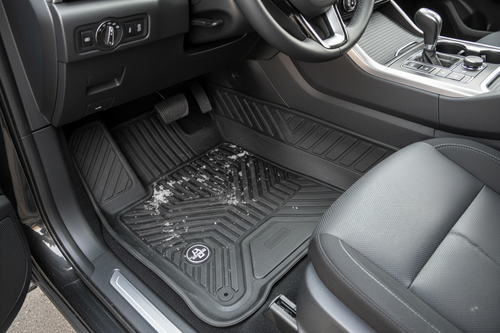
This is the big one. Pop your head down and look at the area under your right heel. If you see thinning, fraying, cracks, or — yep — an actual hole, your mat is done. Worn‑out liners can’t trap dirt or water, letting debris reach your car’s original carpet. That risks stains, mold, and rust, which directly lowers your vehicle’s resale value.
Rubber mats might crack in cold weather; carpet ones fray or lose their nap. Once you see backing material or bare rubber showing through, it’s time to shop.
2. Curled edges that won’t lie flat 📜
When a mat’s corners start curling upward like a scroll, it’s not just ugly — it’s dangerous. Curled edges catch your feet as you enter and exit, and they can actually interfere with pedals if the mat shifts. This is especially common with cheaper universal‑fit mats that aren’t designed to hold their shape. Once curling starts, it only gets worse.
3. Mats that slip, slide, or bunch up 🛹
If your driver’s mat creeps forward every time you brake or shift, the non‑slip backing has failed. A sliding mat is a pedal entrapment hazard. NHTSA has linked unsecured floor mats to multiple unintended acceleration incidents and recalls involving Toyota, GM, and Lucid. If your mat moves when you drive, replace it immediately — don’t “deal with it.”
4. Lingering smells that won’t go away 👃
You’ve cleaned. You’ve aired out the car. You’ve even tried those little odor‑absorbing bags. But that musty, wet‑dog smell remains? Your mat has absorbed moisture deep into its fibers or foam backing, and that moisture has likely turned into mold or mildew. This isn’t just gross — it’s a health issue, especially for anyone with allergies or asthma.
5. Failed protection — spills are reaching your carpet 💧
The entire job of a floor mat is to be a barrier. If you pour water on your mat and it soaks through to the carpet underneath, the mat has failed. Period. That goes for rain‑soaked shoes, melted snow, or your kid’s juice box explosion. Once liquids can pass through, your factory carpet is unprotected — and that’s expensive damage waiting to happen.
📅 Realistic Replacement Timelines (By Lifestyle and Material)
Let’s get practical. Here’s how often different types of floor mats actually last in the real world, based on owner feedback and industry data.
Basic carpet mats (factory or cheap aftermarket): 1–3 years. These are the fastest to wear out. The driver’s heel area goes first, then the backing disintegrates. One forum user reported wearing through their driver’s carpet mat at only 48,000 miles — about 40 months of ownership.
Rubber all‑weather mats (universal‑fit): 2–4 years. Rubber resists moisture but can crack in extreme cold or UV exposure. Cheap universal rubber mats often curl at the edges after a couple of winters.
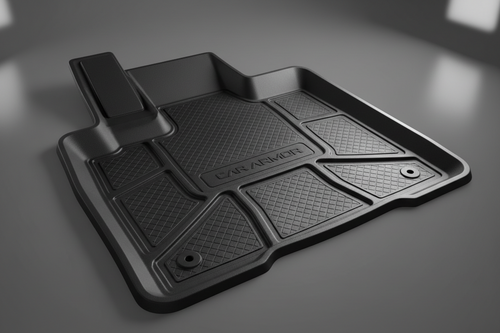
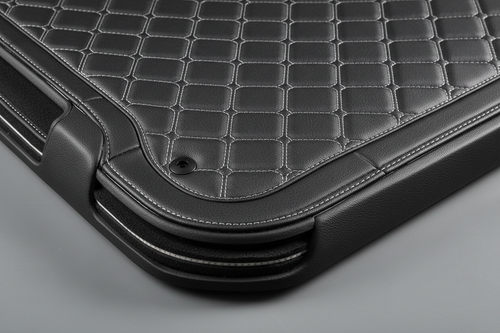
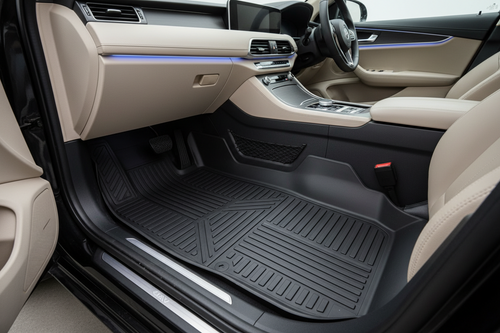
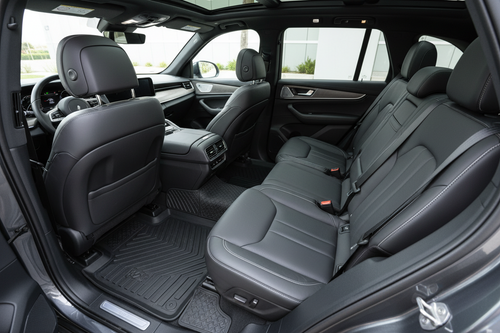
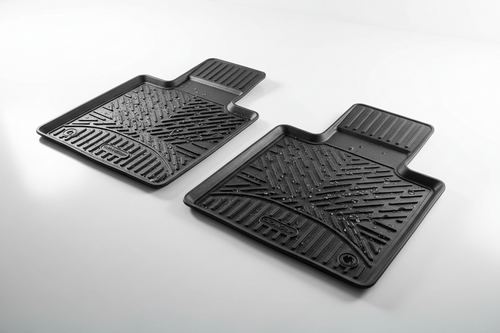
TPE (thermoplastic elastomer) custom‑fit mats: 3–5+ years. TPE is the modern sweet spot — flexible, waterproof, non‑toxic, and resistant to both heat and cold. With regular cleaning, many owners report 5+ years of solid service.
Premium custom‑fit liners (Husky, WeatherTech style): 5–7+ years. These are built from heavy‑duty compounds and backed by lifetime warranties. Owners on forums report 6–13 years of use from WeatherTechs, though some complain about curling after a few years. The consensus: they last a long time if you take care of them.
But here’s the lifestyle multiplier: a rideshare or delivery driver swapping mats twice as often as before they went pro. A construction worker tracking in gravel every day. A parent whose backseat looks like a snack battlefield. All of those will cut mat life in half compared to a single commuter on clean pavement.
❄️ Seasonal and Climate Factors — Winter Is a Mat Killer
If you live anywhere that sees snow, salt, and slush, your mats take a beating. Winter de‑icer leaves white stains that stiffen fibers and corrode backing. Salt crystals act like tiny blades, grinding into rubber and carpet alike. And that freeze‑thaw cycle? It cracks cheap rubber in no time.
One Minnesota driver described watching salt‑laden slush melt into carpet mats, then refreeze overnight, turning the mat into a crunchy, stained mess. In coastal Florida, it’s sand and UV fading. In the Pacific Northwest, it’s a slow, soggy battle with moisture that never fully dries. The takeaway: harsh climates accelerate replacement by 1–2 years minimum.


🧼 How to Make Your Floor Mats Last Longer (Without Much Effort)
Want to stretch that 3‑year mat into 5 years? Do these four simple things:
- Shake and vacuum weekly. Don’t let grit become a permanent resident.
- Deep clean monthly. Hose rubber/TPE mats with mild soap; use a soft brush on carpet mats. Avoid greasy dressings that make mats slippery.
- Dry completely before reinstalling. Water trapped underneath leads to mold and rot. Air‑dry only.
- Rotate when possible. Some sets let you swap driver and passenger sides to even out heel wear.
As one auto writer put it after years of testing: “When I stick to these basics, mats last far longer — especially in cars that see everything from beach days to hardware‑store runs.”
❌ Common Mistakes That Send Mats to an Early Grave
Seen any of these? You’re not alone — but you’re also shortening your mat’s life.
- Never removing mats for cleaning — Dirt works underneath and grinds against carpet.
- Pressure washing too aggressively — High pressure delaminates rubber backing.
- Ignoring heel wear — A small thin spot becomes a hole, then factory carpet gets destroyed.
- Stacking two mats — Accelerates wear on both and creates a pedal hazard.
- Leaving mats soaking wet — Trapped moisture = mildew + rot.
✅ Signs Your Mats Are Still Good
- 🌀 Surface is intact, no holes or cracks
- 🧲 Non‑slip backing still grips carpet
- 📐 Edges lie flat, no curling
- 🧼 Spills bead up or wipe off easily
- 👃 No lingering smells after cleaning
❌ Signs It’s Time to Replace
- 🕳️ Visible hole or thinning under heel
- 📜 Edges curled upward
- 🛹 Mat slides when you drive
- 💧 Spills soak through to carpet
- 👃 Musty smell that won’t go away
🛒 What to Look for in Replacement Mats (So You Don’t Have to Do This Again Soon)
If you’ve decided it’s time, don’t just grab the cheapest set on Amazon. You want mats that will outlast your current ones. Here’s your shopping checklist:
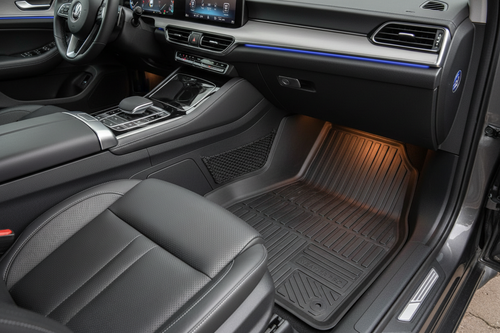
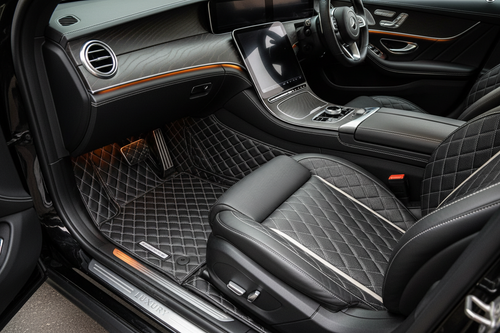
- Laser‑measured, custom fit — Universal mats slip, curl, and fail faster. Custom‑fit mats lock into your specific footwell.
- TPE material — Better than old‑school rubber: flexible in cold, non‑toxic, no “new car” chemical smell.
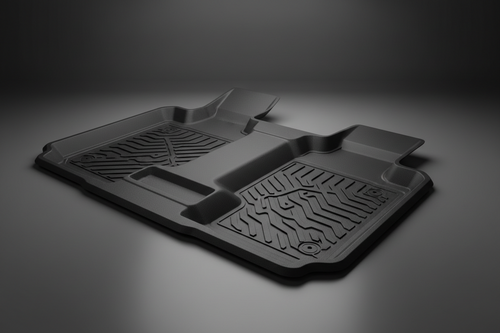
- Raised edges / deep channels — Trap spills and snow so they don’t reach your carpet.
- Anti‑slip backing or retention clips — No sliding, no pedal interference.
- Good warranty — Premium brands offer lifetime coverage against cracking or tearing.
You can shop by exact make and model at AutoMatSupply, comparing materials side‑by‑side before you buy. That’s how you get mats that actually fit — and last.

🎯 The Bottom Line: Stop Guessing, Start Looking
Here’s the honest answer you came for: Most drivers replace their floor mats every 2 to 5 years. Basic carpet mats lean toward the 1–3 year end; good all‑weather rubber or TPE mats hit 3–5+ years. But the calendar doesn’t matter nearly as much as the five signs we just walked through.
If your driver’s heel has worn through, if the edges curl, if the mat slides, if it smells, or if spills reach the carpet — replace it now. Don’t wait for “next oil change.” A $90–150 set of quality custom‑fit mats can save you $500–1,500 in interior damage and resale value loss. That’s not an expense. That’s an investment in not having a gross, unsafe, stinky car floor.
🚗 Find New Mats for YOUR Car → Shop Long‑Lasting Floor Mats
Sources: Reddit (r/CX5, r/ModelY), Miata.net forums, Ultimate Floor Mats, Prime EVA, Car Care Total, and NHTSA recall data on floor mat safety. Lifespan estimates based on owner‑reported data and industry testing.


