

We dug through Reddit confessions, NHTSA recall files, and real owner reviews. The gap between custom and universal mats is bigger than you think.
You've been there. You grab a set of universal floor mats because they're cheap, they're right there on the shelf, and hey—a mat is a mat, right? Then three months later, you notice it. The driver's side has crept forward. Again. The edges are curling up like an old paperback. And there's a patch of muddy carpet near the door that the mat never covered in the first place. So you start wondering… do custom car mats actually make a difference, or is it just marketing hype? We dug through Reddit threads, NHTSA recall databases, and real owner reviews to find out. Spoiler: the difference is massive.
📏 The Coverage Gap Nobody Talks AboutHere's the single biggest difference between custom and universal floor mats, and it's not even close: floor coverage. Custom-fit mats are laser-scanned to match your specific vehicle's floor shape, achieving 90–95% coverage of the footwell area. Universal mats? At best, they cover 65–70% of the same space.
Think about what that 25–30% uncovered area actually includes: the dead pedal (your left footrest), the outer edges near the door sill, and the transmission tunnel in many vehicles. Those are exactly the spots where mud from your shoes drips, where snow melt pools, and where salt from winter roads silently eats away at your factory carpet. Universal mats leave them completely exposed.
One Reddit user summed up the frustration perfectly: “I bought universal mats to save money. Instead, I spent weeks watching my kids’ juice spills run right off the edge and onto the carpet. The mat didn't even reach the transmission hump. False economy.” Another owner noted that after a single winter with universal mats, the exposed carpet near the door sill was permanently stained with road salt. Custom fit would have blocked that entirely.
⚠️ Safety: It's Not Just About Keeping Things Clean
This is where the conversation gets serious. A sliding floor mat isn't just annoying—it has killed people. The National Highway Traffic Safety Administration (NHTSA) has documented multiple crashes caused by unsecured floor mats interfering with accelerator and brake pedals.
In 2024, General Motors recalled nearly 28,000 Buick Envision all-weather floor mats because the accelerator pedal could become trapped under the mat, causing unintended acceleration[reference:0]. In 2025, Lucid recalled over 4,200 floor mats for the same reason—their all-weather mats had grip nibs on the bottom but no anchor holes, allowing them to slide forward and interfere with the accelerator pedal[reference:1].


And these aren't isolated incidents. Going back to 2009, Toyota recalled over 4 million vehicles due to floor mats entrapping accelerator pedals. The NHTSA has consistently warned that floor mats of the wrong size or poor installation can lead to pedal entrapment[reference:3]. The common thread across every single one of these recalls? Inadequate retention. Mats that could move, shift, or slide because they weren't properly secured to the vehicle floor.
Custom-fit mats solve this problem by design. They're molded precisely to your vehicle's floor contours and typically include provisions for factory retention clips or anchors. Once installed correctly, they don't move. Period. Universal mats, by contrast, rely on friction alone—and friction fails when dust, moisture, and daily wear take their toll.
🧪 Material Matters: Rubber vs. TPE vs. Carpet
Custom mats also give you access to better materials. Here's how the options stack up in the real world:
Carpet mats: Plush, quiet, and factory-matching. But they absorb moisture, stain easily, and show wear quickly. Best for dry climates and show cars, not for daily abuse.
Rubber mats: Affordable and waterproof. But cheap rubber can smell strongly for weeks, grow stiff in freezing temperatures, and crack under UV exposure. Many universal rubber mats also lack raised edges, so spills just run off the sides.
TPE (Thermoplastic Elastomer): This is the modern sweet spot. TPE is flexible in cold weather, completely odor-free out of the box, 100% waterproof with raised edges, and easy to clean with just a hose. LASFIT's custom TPE mats, for example, survived an 1800 PSI pressure wash without fading and locked perfectly into factory retention clips with zero sliding[reference:4]. One reviewer noted they were “completely odorless right out of the box” and remained “highly flexible even in freezing morning temperatures”[reference:5]. TPE is also eco-friendly and recyclable—an increasingly important factor for environmentally conscious owners.
As one forum member put it after switching from universal rubber to custom TPE: “The difference is night and day. No smell, no sliding, and cleaning takes two minutes instead of twenty. I'm never going back.”


💸 The Resale Value Argument: Protection That Pays for Itself
Let's talk money. A decent set of custom-fit floor mats costs between $90 and $180. Universal mats run $25 to $50. That upfront difference can feel significant. But here's what the math actually looks like over 3–5 years of ownership.
Universal mats need replacement frequently—often every 12–18 months. They curl, crack, or simply wear through. Over five years, you might buy three sets, spending $75–150 total. That's not far from the cost of one custom set that lasts the entire period.
But the real savings come from what you protect. Professional carpet deep cleaning to remove salt stains, coffee spills, or mold runs $150–300. Permanent carpet damage from years of unprotected exposure? That can slash trade-in value by $500–1,500. Industry experts estimate that interior condition accounts for up to 30% of a vehicle's perceived resale value.
One used car buyer on Reddit shared their perspective: “When I look at a used car, I check the driver's carpet first. If it's wrecked, I assume the owner didn't care about anything else. I walk away or lowball hard.” That's the hidden cost of cheap mats—they signal neglect to future buyers.
Custom mats, on the other hand, preserve that factory carpet underneath. When you pull them out at trade-in time, the original floor looks nearly new. That's a tangible value-add that pays for the mats many times over.
🔧 Real Owner Experiences: What Reddit and Forums Are Saying
Across Reddit and automotive forums, the consensus is remarkably consistent: people who switch from universal to custom mats almost never go back.
One WeatherTech owner reported six years of solid service with no curling or cracking. Another forum member noted that after trying cheap universal mats, “they were crap after 18 months. My custom TPE set still looks great after three winters.”
For truck and SUV owners with complex floor shapes—humps, seat brackets, uneven contours—the difference is even more dramatic. As one reviewer wrote after testing custom liners in a Chevy Colorado: “The 3D laser-scanned design fits perfectly over factory carpets without slipping. Raised edges successfully trapped a 16oz liquid spill during testing.”[reference:7] Universal mats simply cannot match that level of containment.
The complaints about universal mats follow a predictable pattern: sliding, curling edges, gaps at the dead pedal, and fast wear under the driver's heel. The complaints about quality custom mats? Almost nonexistent, aside from the higher upfront price. That pattern speaks for itself.
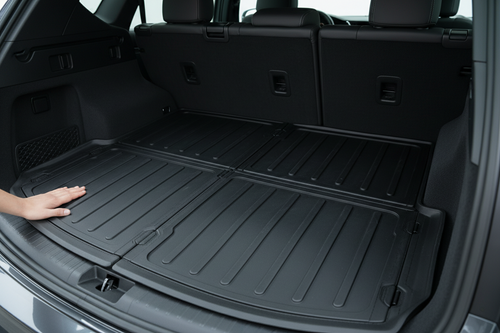
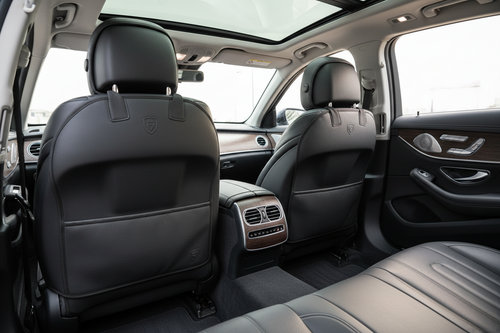
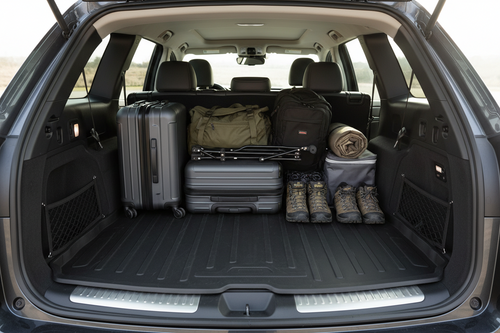
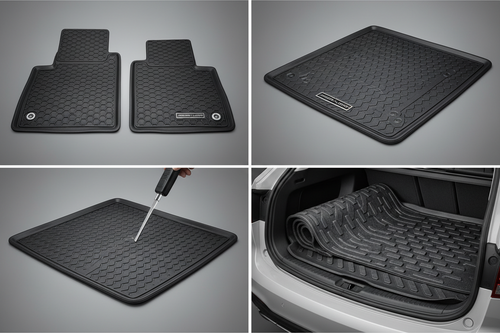
✅ Custom Fit Mats
- 📐 90–95% floor coverage, no exposed gaps
- 🛡️ Retention clips or anchors prevent dangerous sliding
- 🧹 TPE material: odor-free, flexible, easy to hose clean
- 💰 Preserves resale value by protecting factory carpet
- ⏱️ 5+ year lifespan with basic care
- 🚫 Raised edges contain spills, no runoff to carpet
❌ Universal Fit Mats
- 📏 65–70% coverage, significant exposed carpet
- ⚠️ Sliding creates pedal entrapment risk (NHTSA documented)
- 👃 Cheap rubber smells for weeks; cracks in cold
- 💸 Hidden cost: carpet damage + earlier replacement
- ⏱️ 12–18 month typical lifespan before curling or wear
- 🌀 Edges curl, collect debris, become trip hazard
🛒 When Universal Mats Actually Make Sense
Let's be fair. Universal mats aren't always the wrong choice. There are specific situations where they're perfectly reasonable:
- Short-term ownership: You're leasing for 12 months or planning to sell the car within a year.
- Budget constraints: You genuinely cannot afford the $90–180 upfront cost right now, and something is better than nothing.
- Older vehicle with low value: If your car is worth $3,000, spending $150 on custom mats may not make financial sense.
- Temporary solution: You're waiting for custom mats to arrive and need something in the meantime.
Outside of those scenarios—especially if you plan to keep your vehicle for 2+ years, live in a climate with snow or rain, carry passengers regularly, or care about resale value—custom mats are the smarter investment. As one buying guide concluded: “For any vehicle you plan to keep 2+ years, custom-fit mats are worth it. The difference in coverage, protection, and longevity is significant.”
📝 How to Choose the Right Custom Mats for Your Vehicle
If you've decided custom is the way to go, here's what to look for:
Laser‑measured fitment. Make sure the mats are designed using 3D scanning data for your exact year, make, and model. Avoid “one-size-fits-all” custom claims.
TPE material. Look for odor-free, flexible thermoplastic elastomer rather than cheap rubber. TPE remains flexible below freezing and won't crack.
Raised edges / high walls. These contain spills, snow melt, and mud, preventing them from reaching your factory carpet.
Retention clip compatibility. Ensure the mats include holes or hooks for your vehicle's factory floor anchors.
Warranty. Premium custom mats often come with multi-year or lifetime warranties against curling, cracking, or material defects.
At AutoMatSupply, you can browse by your exact vehicle to find precision-fit options. Compare materials side‑by‑side, add custom logo embroidery, and protect your interior the right way—from day one.
🎯 The Bottom Line: Yes, Custom Car Mats Make a Real Difference
After digging through Reddit threads, NHTSA recall notices, owner reviews, and material science, the answer is clear. Custom car mats make a significant, measurable difference in three critical areas: coverage, safety, and long-term value.
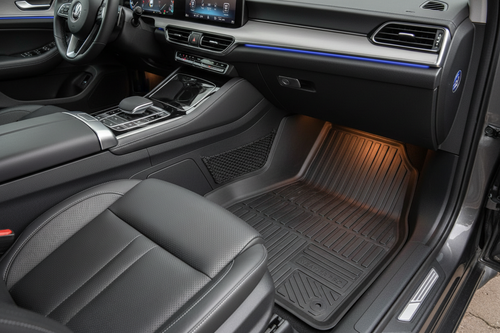
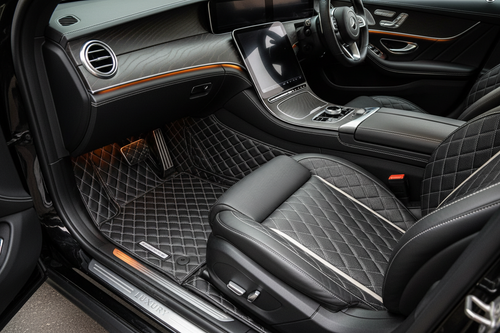
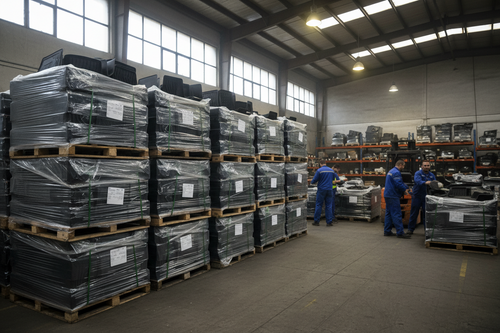
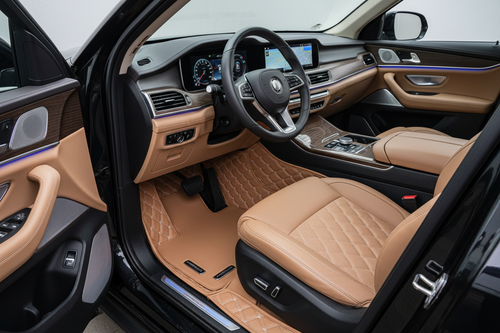
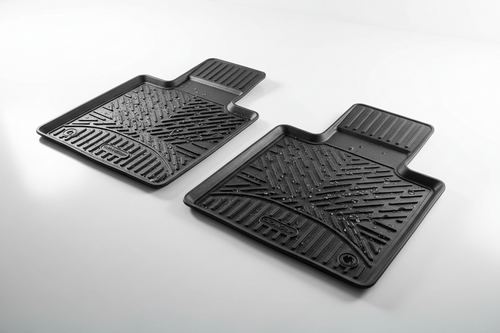
They cover 90–95% of your footwell instead of leaving 25–30% exposed. They lock into factory retention clips instead of sliding into your pedals. They use modern TPE materials that don't smell, crack, or curl. And they preserve your factory carpet, protecting hundreds or thousands in resale value.
The upfront cost is higher. Nobody disputes that. But over 3–5 years of ownership, custom mats pay for themselves in durability, interior protection, and peace of mind. Universal mats save you $50 today. Custom mats save you $500 tomorrow. Choose accordingly.
🚗 Find Custom Mats for YOUR Car → Shop All Mats by Material
Sources: NHTSA recall database (General Motors 24E066, Lucid 25E021, Toyota 2009), Reddit automotive communities, CarXplorer, CustoArmor, DrivenAutos, KATAmats, and real owner reviews across automotive forums.


